

Selling Your West Virginia Home Without an Agent
Half the sellers I talk with have already spent three weeks Googling. They’ve read the same recycled bullet lists and the same vague disclaimers. They still don’t know whether they can legally sell without a Realtor here, or what that choice costs them. Let’s fix that with real numbers.
What Does “For Sale By Owner” Mean in West Virginia?
Selling your home without a listing agent is legal in West Virginia. The state puts up no special barriers.
For sale by owner, or FSBO, means you take on the jobs an agent would normally handle. Pricing, marketing, showings, negotiating, and coordinating the closing. You keep the listing commission, and every duty attached to it now lands on you.
In June 2026, the median sale price in West Virginia reached $274,142, and homes spent a median of 54 days on the market. That window sounds generous. It goes fast when you’re learning as you go. Around the Eastern Panhandle, near Martinsburg and Shepherdstown, homes move more quickly than the statewide number suggests. Rural listings can sit much longer.
FSBO sellers here work in every kind of market. Brick Victorians in Lewisburg, ranch homes around Bridgeport, split-levels in Teays Valley, farmhouses out in Pendleton County. What matters isn’t style. It’s how many buyers are circling your area the week you list.
Going this route isn’t the same as selling informally or skipping paperwork. You still need a purchase agreement, title work, a deed, and a real closing.
West Virginia insurance law requires a licensed attorney to examine the title before a title policy can issue, so an attorney sits in your transaction either way. Keep one thing straight, though. That attorney is there for the title opinion, not to advocate for you in the negotiation.
Why Do West Virginia Home Sellers Choose FSBO Over a Realtor?
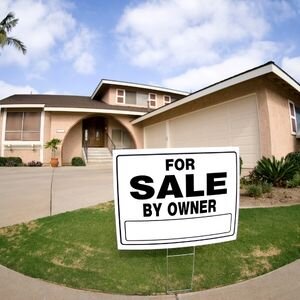
I used to assume it was purely about commission. Usually that’s part of it. Rarely the whole story.
Some sellers already know what their property is worth. A woman in South Charleston who bought in 2017, redid the kitchen, and tracked every comp on her block doesn’t need an agent to confirm her number. Paying 3% for a second opinion she never asked for feels like a waste.
Others have a buyer lined up already. A relative, a neighbor, a co-worker who mentioned interest last spring. When both sides agree on price, a full MLS campaign adds little. These pocket sales happen often in smaller West Virginia towns.
Control matters more than sellers admit. With an agent, you wait days for showing feedback and hand over your calendar. FSBO sellers set their own hours and answer every offer directly. Some people want to be in the room when a buyer walks through.
Pros and Cons of Selling a House by Owner in West Virginia
West Virginia follows caveat emptor. Buyers carry the duty to investigate a property’s condition before they buy. Sellers here aren’t held to the long disclosure lists that Ohio and Pennsylvania impose, which makes going alone more workable in the Mountain State.
The advantages are real. You skip the listing side of the commission, which on a sale near the state median runs roughly $7,700. Timing, showings, and negotiations stay yours.
Now the hard parts. Pricing without full MLS data is genuinely difficult. Buyers lowball FSBO homes because they assume you’re desperate. Financing collapses three weeks in, and you’re the one rescheduling everything. A purchase agreement that holds up legally takes more than a downloaded form.
Marketing is the underrated gap. An agent plugs your home into the MLS, which feeds Zillow, Realtor.com, and every buyer agent’s search alerts. Without it, you’re left with Zillow FSBO listings, Facebook Marketplace, a yard sign, and your own contacts. A flat fee MLS service running between $99 and $499 closes most of that gap.
Negotiating on your own house is harder than people expect. An offer lands $20,000 under asking with fourteen inspection repair demands attached, and nobody stands between you and it.
How Much Money Can You Save with FSBO in West Virginia?
The savings look like simple subtraction. They aren’t.
Sellers expect to pocket the full 5% to 6% they’d otherwise split between two agents. Buyer agent compensation didn’t vanish with the 2024 NAR settlement, which only removed the automatic expectation that you cover it. Most sellers still offer something competitive to attract represented buyers. In practice, you save the listing side only.
Selling with full-service agents in West Virginia averages about 9.35% of the sale price. That’s 5.65% in commissions plus 3.70% in other closing costs. Drop the listing agent, and the buyer’s side stays, along with every one of those costs.
Transfer tax is one of them. West Virginia charges an excise of $1.10 per $500 of value, or fraction thereof, under West Virginia Code §11-22-2. At the state median, that’s about $603 due at closing. Attorney fees run a flat $750 to $1,250 for a standard residential closing, and title insurance premiums are regulated by the state Insurance Commissioner.
Run the math both directions. If skipping a listing agent saves you that commission, but the house sells for more than that amount below what an agent would have gotten, you’re behind. Research on FSBO outcomes consistently shows these homes sell for less on average than agent-listed ones. The gap narrows when the seller knows the local market cold.
FSBO pays off when you have solid data, a ready buyer, and a property that sells itself. A well-priced house in Morgantown near WVU moves. A dated three-bedroom on a gravel road in Tucker County takes real marketing effort. When the house needs work, or the timing is tight, you can sell your home for cash in Morgantown instead and skip the marketing entirely.
What Are the Legal Requirements to Sell a House by Owner in West Virginia?
West Virginia is one of the easier states for FSBO. Easier isn’t simple.
State law doesn’t force you to disclose comprehensive property information. Federal rules still apply, and that distinction matters. Federal law requires disclosure of known lead-based paint hazards in any home built before 1978.
If your house predates 1978, attach a Lead-Based Paint Disclosure addendum to the purchase contract. Not optional. Those buyers also get ten days to run their own lead-based paint inspection before the contract binds them, unless they waive it in writing.
Fill out a Residential Property Disclosure Statement anyway, even though it’s voluntary. The West Virginia Association of Realtors publishes the form. Honest answers shift part of the inspection burden onto the buyer. Marking an item “unknown” is fine. Lying is fraud, and a buyer who proves you misrepresented something can sue for repair costs, attorney fees, or reversal of the sale.
Counties may layer their own excise on top of the state rate. Call your county clerk for the local figure.
Your deed has to be signed, notarized, and recorded with the clerk in the county where the property sits. Disclose any easements, mineral rights reservations, or deed restrictions to your attorney well before closing day, not in a room full of people waiting to sign.
What Paperwork Do You Need to Sell a House by Owner in West Virginia?
This trips up more FSBO sellers than anything else.
The purchase agreement is your foundation. It binds you and the buyer to price, closing date, contingencies, what is conveyed with the house, and what happens if someone backs out. Use a West Virginia-specific form, not a generic template. Read the earnest money terms closely: where it’s held, when it’s refundable, and what happens if the buyer walks without cause.
Your contract should name the timeline for transfer of title and say who pays for title insurance. A title company and its attorney run a search before closing to confirm no liens cloud the deed.
Attach the seller’s property disclosure statement to the agreement. West Virginia doesn’t mandate it. It still shows good faith and shrinks your exposure afterward.
Carrying a mortgage? Have your lender issue a written payoff statement. Interest accrues daily, so confirm the figure close to closing.
Your attorney prepares the deed. You sign it, it gets notarized, and the attorney records it with the county clerk. Most West Virginia counties index the same day.
Keep everything afterward. Inspection reports, the final HUD-1 or closing disclosure, proof of recording, all in one place.
How to Price Your Home Correctly for a West Virginia FSBO Sale
Pricing is the highest-leverage decision in any FSBO sale. Too high and you sit. Too low and you hand money away.
A comparative market analysis is what agents use to set the list price. Without MLS access, you build your own from public sale data. Look at what nearby homes actually sold for in the past 90 days, not what they asked. Zillow, Redfin, and your county assessor all publish sale prices. If 90 days doesn’t give you five real comps, stretch to 120 days before you widen the map.
Comparable means comparable. Same bed and bath count, similar square footage, similar condition, close by. A three-bed, one-bath ranch in Barboursville isn’t a comp for a three-bed, two-bath colonial in Huntington, even eight miles apart.
Adjust for condition. Dated kitchen and a ten-year-old roof mean you price below your comps, not at them. Overestimating your own home’s condition is the most common error I see.
West Virginia homes currently sell at about 97.4% of the list price. Buyers aren’t slashing, and they aren’t paying over ask either. Set a number that the math supports.
Still uncertain? A one-time appraisal from a licensed West Virginia appraiser costs a few hundred dollars. It won’t replace a CMA, but it gives you a third-party number to stand on.
Step-by-Step Process to Sell Your House by Owner in West Virginia
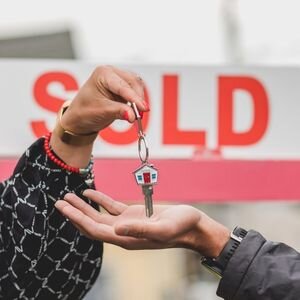
A seller in Fairmont called me after six weeks on Zillow FSBO with no showings. Two weeks after she added the MLS through a flat fee service, she had three showing requests in a single weekend.
That’s the sequence shift most FSBO sellers need. Get MLS exposure early, because saved search alerts fire automatically on new listings, and the first two weeks generate the most buyer activity.
Get the property ready first. Deep clean, declutter, fix the obvious stuff. Dripping faucets, dead light switches, cracked caulk. If you’ve got a crawl space, make it accessible and dry, because that’s one of the first things an inspector checks in older Mountain State homes.
Hire a photographer. Phone photos lose buyers at the scroll. Professional real estate photography runs between $150 and $300 across most West Virginia markets. Acreage, a pond, or mountain views? Ask about drone shots.
Price it before you list it. Changing the number a few weeks in damages buyer perception.
Pick a flat fee MLS service and get listed on the multiple listing service. Buyer’s agents search the MLS almost exclusively.
Field offers and negotiate. Review every offer with your attorney before you sign anything. Watch the financing contingencies, since a loan that dies three weeks in is a delay you absorb alone.
Open escrow and order title work. Stay responsive, because slow document returns are the top reason FSBO closings slip past their date.
Close. Sign the deed, clear the contingencies, and collect your proceeds.
How to Pick the Best FSBO Website for Your West Virginia Home
Pick the wrong platform, and you’ll field lowball inquiries from out-of-state investors while financed local buyers never see the house.
Zillow’s FSBO option is free, but those listings sit below MLS listings in buyer searches. Facebook Marketplace works better than people expect in smaller West Virginia communities, where county buy-sell groups stay active.
Flat fee MLS is the better move. One payment gets a licensed broker to post your listing on the local MLS, and from there it syndicates to Realtor.com, Zillow, Redfin, and every buyer’s agent search tool.
Compare services on specifics. Do they cover your West Virginia MLS board? Do offers come to you directly or route through the broker? Is the fee actually flat?
FSBO.com and Houzeo both serve West Virginia. Read the fine print. Some charge extra for a lockbox, for price changes, or for forwarding paperwork. A $99 service quietly becomes $300.
If you’d rather skip listing altogether, Lucas Property Group buys homes directly across West Virginia, and we can put a clear offer in front of you without a sign going in the yard. That holds in the Mid-Ohio Valley too, where we buy houses in Parkersburg without a listing.
FSBO Mistakes West Virginia Home Sellers Make and How to Avoid Them
FSBO accounted for roughly 5% to 6% of U.S. home sales in 2025. The sellers who struggled almost always made one of the same few mistakes.
Pricing from emotion tops the list. You remember what you paid, what you put in, what the house meant to your family. Buyers weigh none of that.
Refusing to offer buyer agent compensation sounds like maximum savings. It filters out every buyer whose agent expects to be paid, and that’s a large share of pre-approved buyers. Even a 2% offer changes which properties an agent shows clients.
Hovering during showings kills offers. Greet buyers, point out a few features, then step back and let them talk privately.
Verbal agreements are worth nothing. It feels real standing in the driveway, shaking hands. Nothing counts until it’s in a signed, written purchase agreement.
Waiting to involve an attorney creates pressure at the end. Bring yours in before you accept an offer, while fixing contract language is still free.
Ignoring contingencies hurts the worst. A financing contingency means the sale isn’t done. An inspection contingency can reopen the price after you thought the number was settled. If a buyer offers to waive inspection, that’s not automatically a gift to you.
Alternatives to FSBO for West Virginia Home Sellers
“I’ve already decided I don’t want an agent” is something sellers say right up until the house sits ninety days.
FSBO isn’t the only route outside a full-commission listing.
Flat fee listing agents charge a set rate, sometimes $500 to $1,000, to put your home on the MLS and handle the legal paperwork while you run showings yourself.
Discount real estate brokers in West Virginia charge 2% to 2.5%, while low-commission Realtors charge 1% to 1.5%. Service levels vary widely, so ask exactly what’s included. Do they attend showings and negotiate for you, or do they list and step back?
Selling directly to a local buyer gets dismissed fastest and is right for a specific set of sellers. Major repairs needed, a job relocation, a family estate, or two failed listings behind you.
Lucas Property Group works with West Virginia homeowners in exactly those situations. We buy across the state, don’t ask for repairs or showings, and close on the seller’s schedule. That includes the northern panhandle, where we buy houses in Wheeling on the same terms.
Is FSBO the Right Choice for Your West Virginia Home Sale?
A man in Parkersburg called me on a Thursday last fall. Three-bedroom house, detached garage full of his late wife’s pottery equipment he couldn’t bring himself to sort through. Two agent listings had expired over 18 months with zero offers. He couldn’t tell whether the problem was price, condition, or the fact that every scheduled showing got canceled.
No listing strategy solves that. A life situation is driving it, and the right structure is the one that removes the most friction for the seller.
FSBO works for sellers who are organized, comfortable with contracts, willing to give up weekends for showings, and clear on local pricing. People who negotiate contracts for a living navigate them more smoothly than first-timers.
The reverse profile struggles. Sellers overwhelmed by paperwork, emotional about the house, or too busy to be responsive spend months on the market. Then they pay a commission anyway once the listing goes cold.
Most people land in the middle. The answer there is usually a hybrid. List through a flat fee MLS service, retain an attorney early, and leave the door open to a direct sale if nothing moves inside your window.
West Virginia’s market is moving. Home prices rose 4.2% year over year as of June 2026, with homes sold up 3.4% over the same stretch. Your plan just has to give buyers a path to find you.
Frequently Asked Questions
Is It Easy to Sell by Owner in West Virginia?
Straightforward is the better word. West Virginia doesn’t require a long mandatory disclosure form, and an attorney already supervises the legal end of your closing. The hard parts are pricing without MLS data, reaching buyers who work with agents, and negotiating without a buffer. Go in with realistic expectations and buy MLS exposure through a flat fee service.
What Are Common FSBO Mistakes?
Overpricing out of attachment costs the most money, because a stale listing makes buyers assume something’s wrong with the house. After that: refusing to offer buyer agent compensation, accepting an offer without attorney review, and not having paperwork ready when a buyer starts asking questions.
Does West Virginia Require a Notarized Bill of Sale?
West Virginia real estate transactions close with a deed, not a bill of sale. The deed must be signed and notarized before the county clerk can record it. Your closing attorney prepares it as part of the standard closing process.
What Paperwork Is Needed for Sale by Owner in West Virginia?
You need a West Virginia-specific purchase agreement, a seller’s property disclosure statement, and the federal lead-based paint disclosure for pre-1978 homes. Add a mortgage payoff statement if you carry a loan, plus the deed your attorney prepares and records. Title insurance documentation and a closing disclosure round out the package.
Not sure whether FSBO fits your situation? That’s normal. Run your comps and think honestly about how much of this you want to handle. If you’d rather talk it through with someone who buys and sells homes across West Virginia and has no stake in pushing you anywhere, we’re here. No pressure, no obligation. Reach out to Lucas Property Group whenever you’re ready.
Helpful West Virginia Blog Articles